Looking for a rental house in Moore that actually works on paper is harder than it looks. Prices, rents, repairs, and state rules all matter, and a property that seems promising at first glance can feel very different once you run the numbers. If you are a small investor trying to buy a single-family rental in Moore, this guide will help you understand the local market, spot the right opportunities, and avoid a few common mistakes. Let’s dive in.
Why Moore draws small investors
Moore offers a setup that many small investors look for: a sizable suburban population, a strong share of single-family homes, and rent levels that support buy-and-hold thinking. The city has a population in the low 60,000s, 23,671 households, and a median household income of $80,420. It also has a relatively young median age of 34.1, with 25.7% of residents under 18.
That local profile matters because it points to steady demand for practical housing rather than a highly niche rental market. For many investors, that makes Moore easier to understand than a market driven mostly by luxury inventory, dense multifamily supply, or short-term movement.
Single-family homes fit Moore best
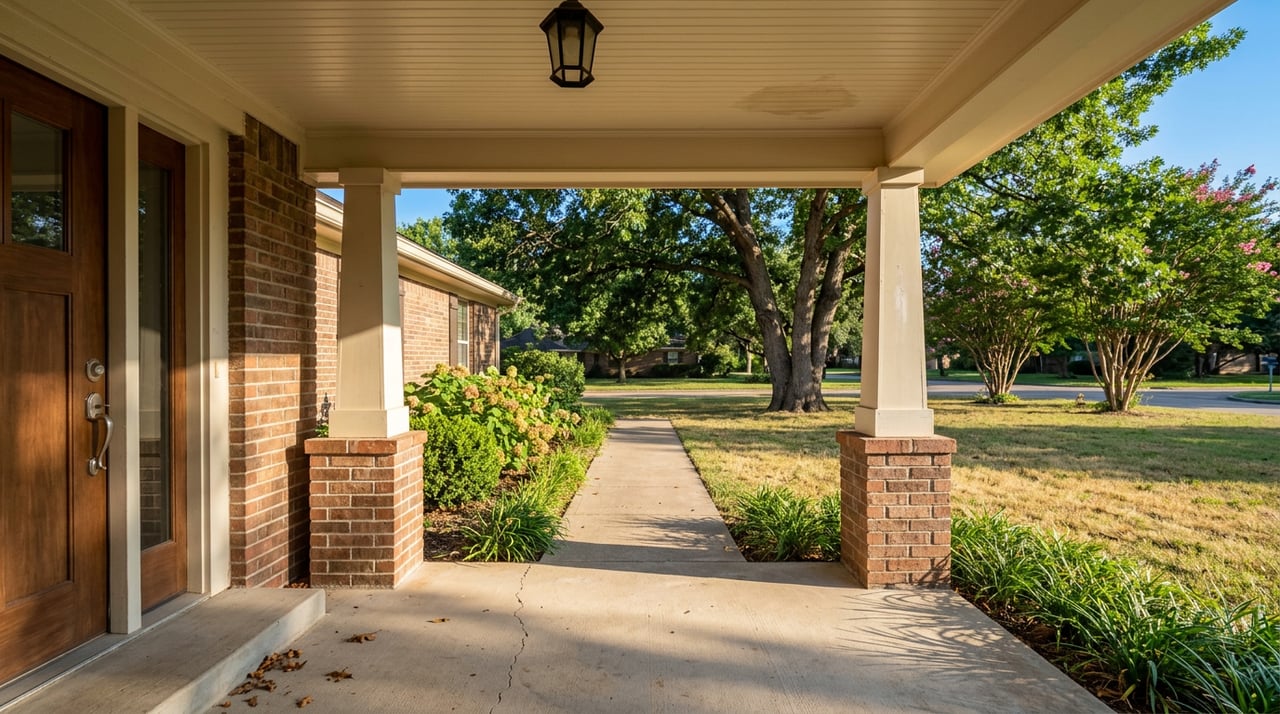
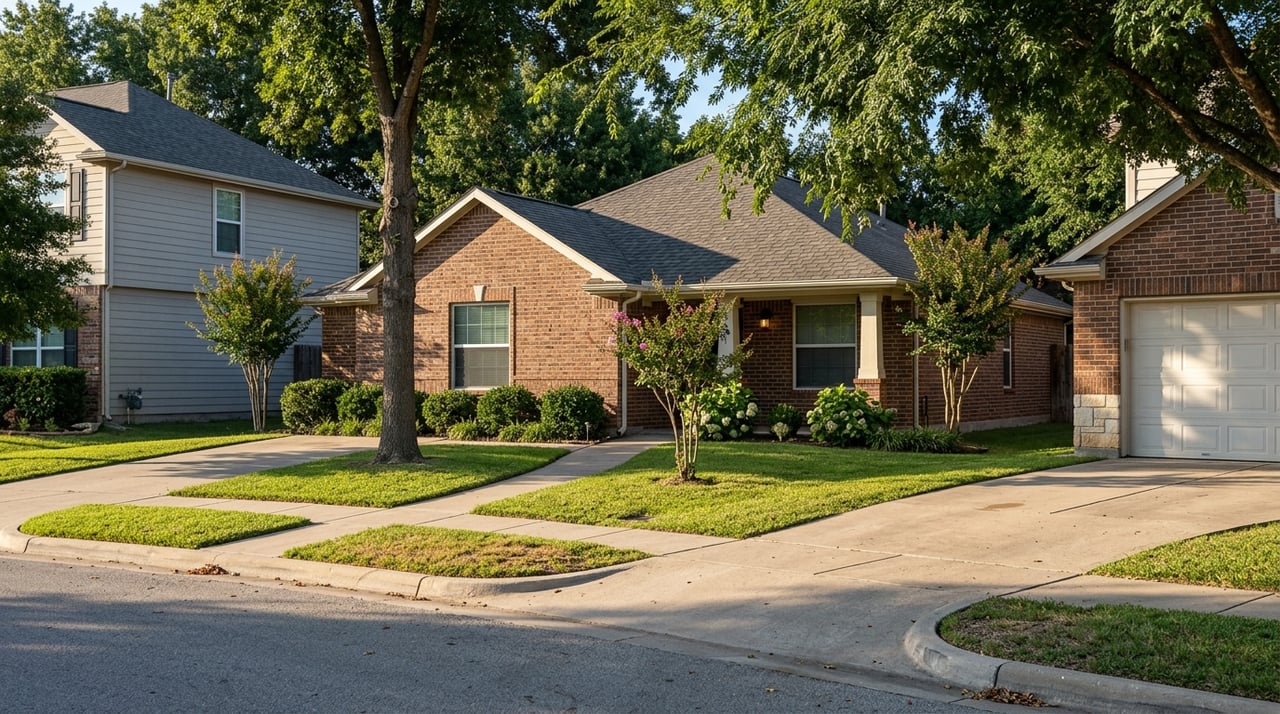
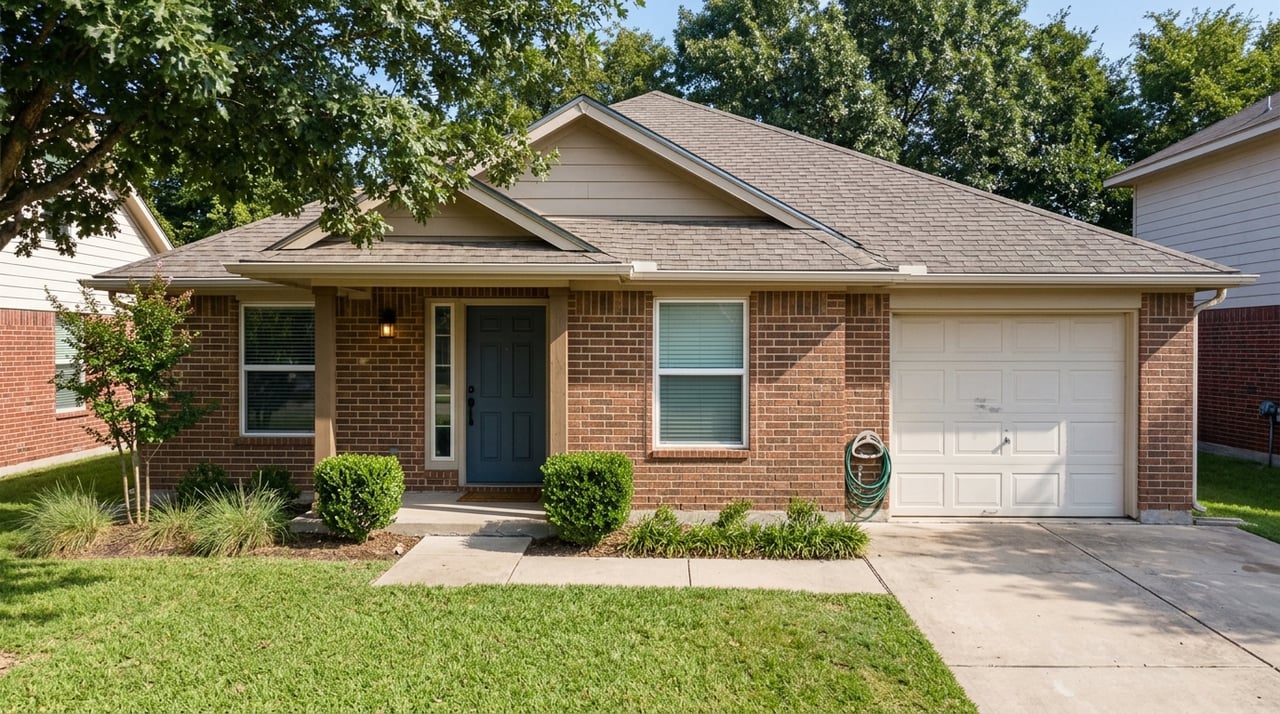
If you are a small investor, Moore’s housing mix is one of the biggest reasons to pay attention. The city has about 24,995 housing units, around 68% are owner-occupied, and about 86% are single-unit structures. In plain terms, detached homes make up the bulk of the market.
That means your most relevant opportunities will often be single-family houses, not large apartment properties. It also means your rent research should focus on house comps, especially if you are buying a 3-bedroom or 4-bedroom home to hold as a long-term rental.
Moore prices and rents in 2026
As of April 2026, Moore’s median listing price is $249,900 and the median sold price is $234,250. Realtor.com also reports a median rent of $1,309 per month, with 381 homes for sale, 156 homes for rent, and a median of 39 days on market. Moore is labeled a seller’s market, which can affect how quickly you need to act when a well-positioned property hits the market.
For a quick first-pass screen, the median sold price and median rent suggest a rough gross yield near 6.7%. That is only a starting point, not a full return calculation. Your actual numbers will depend on taxes, insurance, vacancy, repairs, leasing costs, and whether you hire property management.
Use the right rent comps
One of the easiest ways to misread Moore is to compare house rentals with apartment averages. Different sources show different rent figures because they measure different types of inventory. Census QuickFacts reports median gross rent of $1,340, Realtor.com reports median rent of $1,309, Zillow shows an average asking rent of $1,500 with a wide range from $699 to $2,895, and Apartments.com shows an apartment-only average of $968.
Those numbers are not necessarily in conflict. They simply reflect different slices of the market. If your goal is to buy a detached rental home, apartment averages are not the best guide.
House rent ranges to watch
Current Zillow snapshots show 3-bedroom houses renting around $995 to $1,995. For 4-bedroom houses, the range runs about $1,195 to $2,600.
That is a broad spread, which tells you something important. Condition, size, updates, location within Moore, and lease-ready presentation can all move the rent target up or down in a meaningful way. Before you buy, compare the subject property to similar detached homes, not to the citywide average alone.
What turnover may look like
Moore does not appear to be a constant-churn rental market. Census QuickFacts shows 83.9% of residents lived in the same house one year ago, while Census Reporter shows 16.1% moved since the previous year.
For a small investor, that suggests moderate turnover rather than a highly transient renter base. That can be helpful when you are modeling vacancy, renewal odds, and make-ready timing. It does not eliminate vacancies, but it supports a more stable long-term ownership mindset.
Buying in a seller’s market
Because Moore is currently identified as a seller’s market, strong rental candidates may attract attention quickly. If you wait too long to study a property, you may miss it. At the same time, moving too fast without checking the right details can create expensive surprises later.
A practical approach is to get clear on your numbers before you shop. Know your target price, repair budget, ideal bedroom count, and minimum rent threshold. That way, when a likely fit comes up, you can evaluate it with discipline instead of guesswork.
Costs many first-time investors underestimate
The purchase price is only one part of the rental equation. In Moore, a few local factors deserve extra attention before you make an offer.
Storm-related repairs and insurance
Oklahoma averages more than 50 tornadoes per year, according to state emergency management. In Moore, that makes storm exposure a real budgeting issue, not just a background concern.
For rental owners, this often means planning for roof, fence, siding, tree, and HVAC-related repairs over time. It also means reviewing insurance coverage closely and keeping reserves for weather-related maintenance between tenants.
Code enforcement issues
Moore code enforcement commonly addresses overgrown grass and weeds above 12 inches, trash and debris, illegal parking in the yard, and non-operative vehicles. The city says 10 days is the most common remedy period.
For landlords, that creates a practical management issue. Even if your lease is strong, you still need systems for exterior upkeep, tenant communication, and prompt responses when a property starts to slip.
Rehab and permit requirements
Moore requires permits for most remodels, additions, and improvements, along with all new construction. The city has adopted several building and maintenance codes, including the 2018 IRC and the 2020 NEC.
That matters for investors in two ways. First, you should review permit history before closing when a home appears to have had major work done. Second, if you plan to update the property between tenants, your timeline and budget should account for permit requirements and inspections.
Flood history should not be skipped
In a storm-prone market, flood history deserves special attention. Oklahoma law requires a written rental-agreement disclosure if the property flooded within the last five years and the landlord knows it.
For an investor, that means flood history is not just a due diligence detail. It can affect risk, insurance planning, tenant disclosures, and your long-term comfort with the asset. Checking this before purchase is usually much easier than dealing with it after closing.
Oklahoma rules every landlord should know
If you are buying your first rental in Moore, state rules should be part of your setup from day one. A few basics can shape how you hold deposits, write leases, and handle move-out.
Security deposit handling
Oklahoma law requires security deposits to be kept in an Oklahoma escrow account at a federally insured institution. After the tenancy ends, the landlord must return any remaining balance with an itemized statement within 45 days after termination, delivery of possession, and written demand by the tenant.
This is a good reminder that your operating process matters as much as your purchase price. Clean records and consistent paperwork can help protect both your time and your cash flow.
Notice periods to understand
For month-to-month tenancies, either party generally may terminate with 30 days’ written notice. State law also sets 5-day and 10-day written notice periods for unpaid rent, depending on how long the tenancy has lasted.
Even if you plan to use longer-term leases, it helps to understand these rules early. Clear lease drafting and consistent documentation can make routine landlord tasks much less stressful.
A practical buy-and-hold checklist
If you want a simple framework for evaluating rental homes in Moore, start here:
- Focus on single-family rent comps for single-family properties
- Compare the home to similar 3-bedroom or 4-bedroom house rentals
- Build in vacancy, repairs, and storm reserves before calling a deal workable
- Review permit history when the home shows signs of major updates
- Check flood history before closing
- Plan for code compliance and exterior maintenance during the lease term
- Make sure your lease and deposit procedures align with Oklahoma rules
A deal does not need to be perfect to be a solid rental. It does need realistic numbers, a manageable condition profile, and a plan for the local risks that come with owning property in Moore.
Why local guidance helps
Small investors usually do best when they keep the process simple and local. In Moore, that means understanding detached-home rent ranges, recognizing seller’s market pressure, and paying close attention to permits, weather-related repairs, and state landlord rules.
If you are looking at your first rental or adding another house to your portfolio, local market guidance can help you narrow the search and avoid properties that look better online than they do in real life. When you are ready to talk through Moore inventory, pricing, and what makes a practical rental candidate, connect with Oak & Prairie Real Estate.
FAQs
What type of rental property is most common in Moore?
- Moore is dominated by single-unit housing, so small investors will usually find the most relevant opportunities in single-family homes.
What is the typical rent range for Moore rental houses?
- Recent Zillow snapshots show 3-bedroom houses around $995 to $1,995 and 4-bedroom houses around $1,195 to $2,600.
Is Moore a buyer’s market or seller’s market for investors?
- As of April 2026, Realtor.com labels Moore a seller’s market, which can make attractive rental properties more competitive to buy.
What should a first-time landlord in Moore check before closing?
- A first-time landlord in Moore should review house rent comps, permit history, flood history, expected storm-related maintenance, and Oklahoma lease and deposit rules.
How long does Oklahoma give landlords to return a security deposit?
- Oklahoma law requires the landlord to return any remaining security deposit balance with an itemized statement within 45 days after termination, delivery of possession, and written demand by the tenant.
Why do rent estimates in Moore look different across websites?
- Rent estimates vary because different sources measure different property types and data sets, so detached house comps are more useful than apartment-only averages when you are buying a single-family rental.