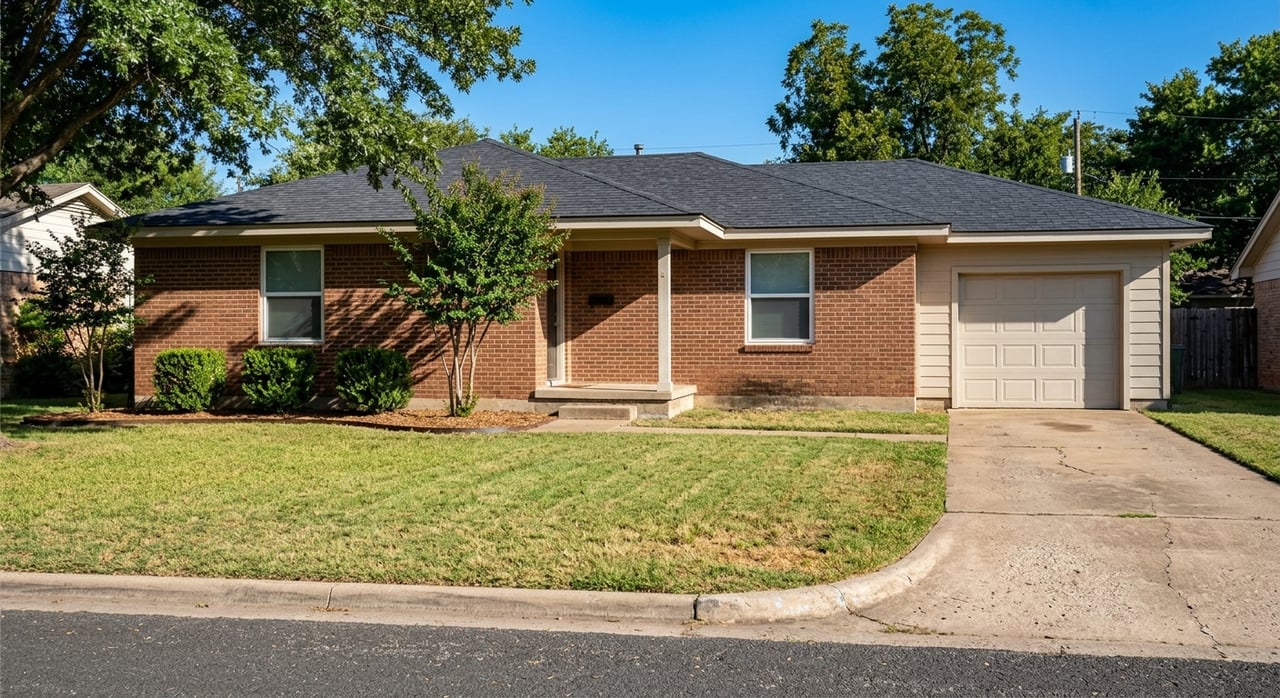
If you are thinking about buying a rental home in Norman, the big question is simple: will the numbers and the demand support your long-term plan? That matters even more in a market like Norman, where you have steady renter demand from several groups, but not always the kind of deep discount pricing that creates easy cash flow. The good news is that Norman offers a broad rental base and several practical property types to consider. Let’s break down what small investors should know before you buy.
Why Norman draws renters
Norman has a strong built-in renter base. According to U.S. Census QuickFacts for Norman, the city had an estimated 131,010 residents and 52,748 households in 2024, with an owner-occupied housing rate of 53.3%. That leaves a meaningful share of the housing market in rental use.
The University of Oklahoma is one of the biggest reasons rental demand stays active. OU reported 29,379 unduplicated students on the Norman campus in spring 2025, and the city’s housing plan notes that students made up 15.6% of Norman’s population in 2020. That gives investors a large and recurring pool of potential renters tied to the academic calendar and local housing supply.
Student demand is only part of the story. Norman also has major local employers, including the University of Oklahoma with 12,941 employees, Norman Regional Hospital with 3,040, and Norman Public Schools with 1,910. The city also sits on I-35 and about 17 miles from Oklahoma City, with an average commute time of 22.6 minutes, which supports demand from commuters and workforce households as well as students.
Norman is not a one-tenant market
One reason Norman stands out is that it does not rely on just one renter profile. The city’s housing planning work points to student-driven migration, but it also notes that older residents are staying in place and that many workers commute into and out of Norman. That mix can help create steadier rental demand across different phases of the market.
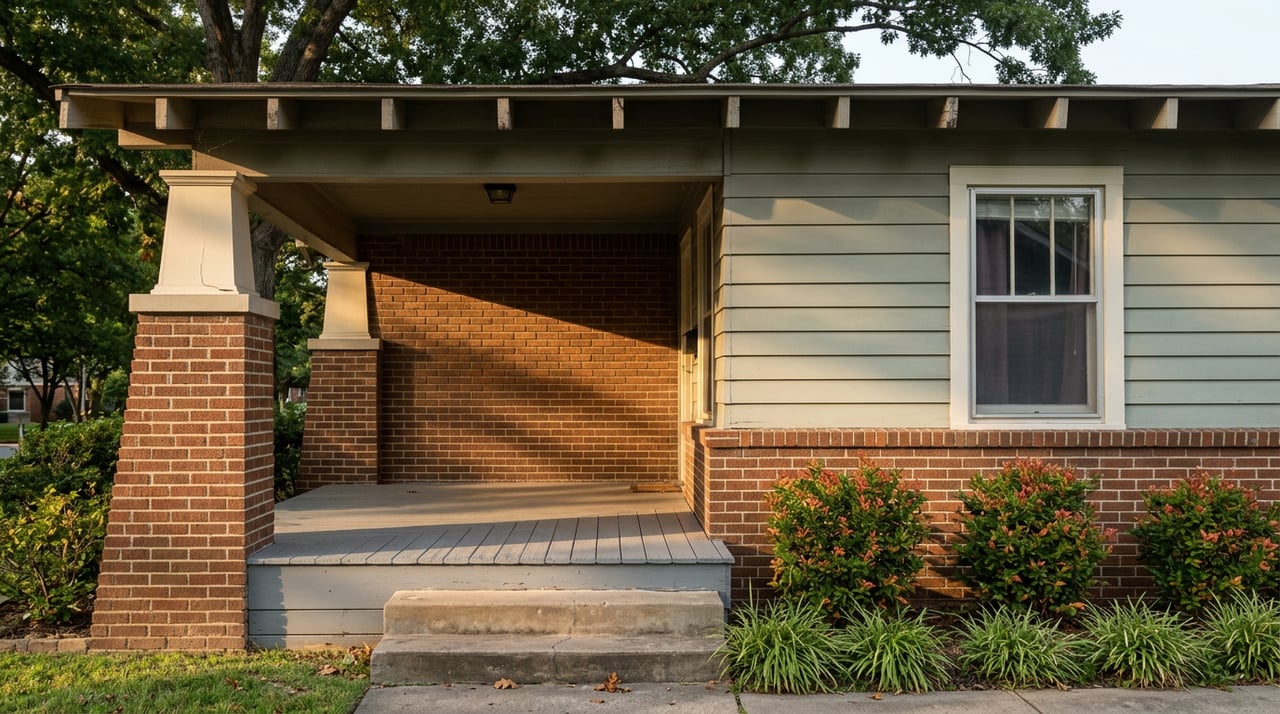
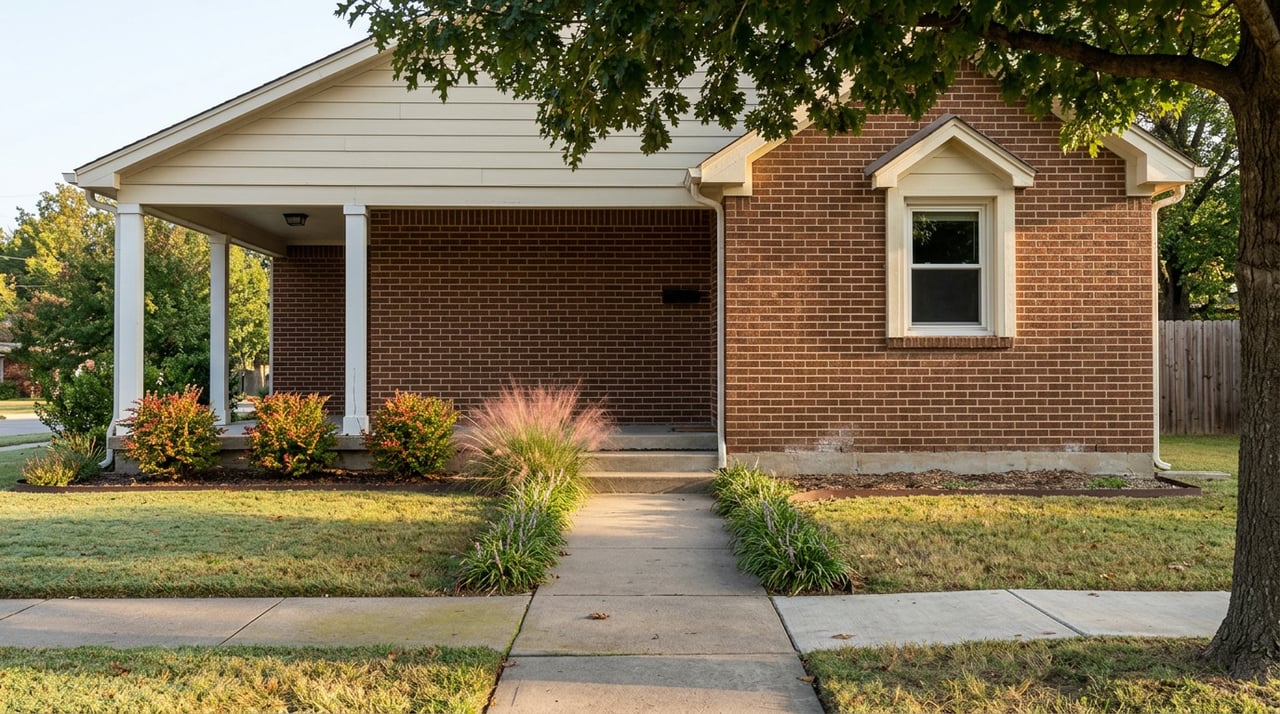
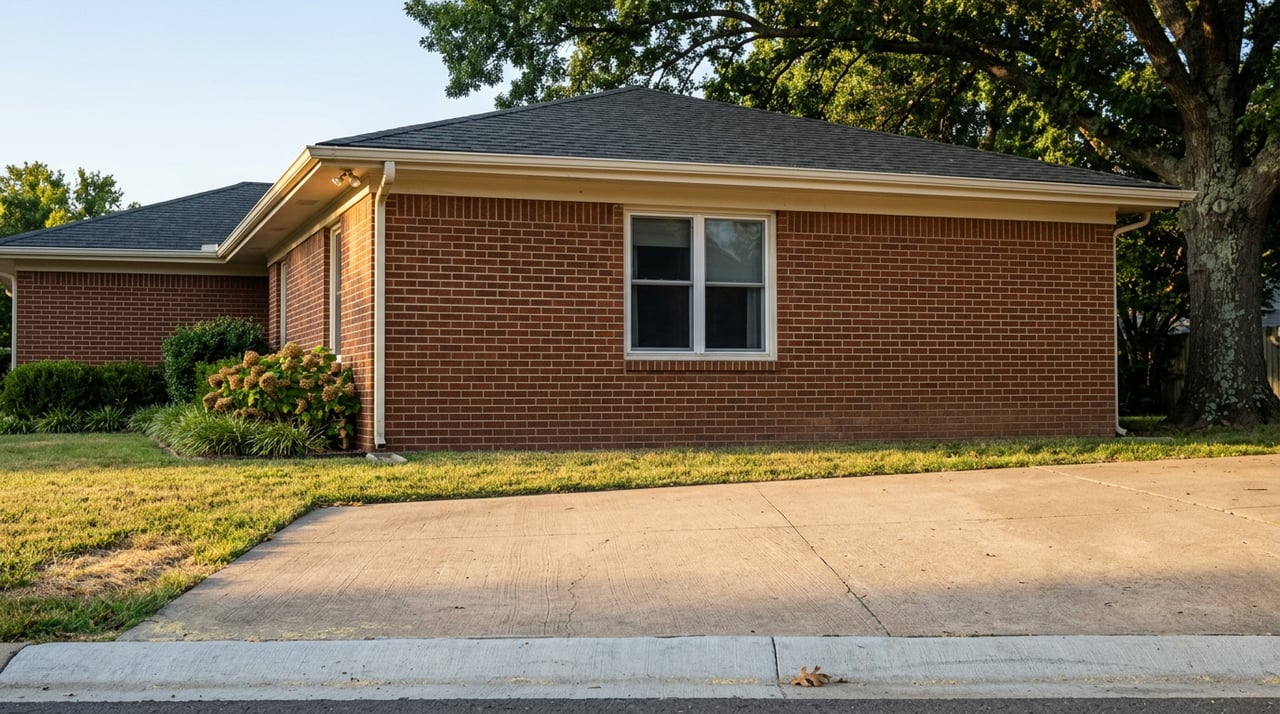
For you as an investor, that means a rental home may appeal to several types of tenants depending on size, layout, and location. A detached house could fit roommates, university staff, health care employees, school workers, or commuters who want access to Norman and the broader OKC metro. That flexibility can matter when one demand segment softens seasonally.
What home prices and rents look like
Current pricing suggests Norman is better viewed as a moderate-yield market with appreciation support than a pure cash-flow play. According to Zillow’s Norman market data, the average home value was $262,839 and the median sale price was $253,500 in early 2026. Zillow also showed 503 homes for sale and a median of 34 days to pending.
On the rent side, the picture depends on the property type you are studying. Zillow reports an all-bed average rent of $1,324, while Zillow Rental Manager shows $1,495 across all beds and home types. For houses specifically, Trulia’s Norman single-family rental listings show stronger numbers, including about $1,750 for houses overall.
That difference matters. Apartment-heavy rent averages can make detached homes look weaker than they really are. If you are buying a single-family rental, house-specific rent comps are usually much more useful than broad market averages.
Rough return math for Norman rentals
Using the reported median sale price of $253,500 and a likely house rent of $1,600 to $1,750 per month, the rough gross yield comes out to about 7.6% to 8.3%. That also suggests a price-to-rent ratio of roughly 13.2x to 12.1x. Using the higher average home value of $262,839, the rough gross yield range shifts to around 7.3% to 8.0%.
Those are useful screening numbers, but they are not the final answer. The Census QuickFacts page notes that different data vintages are not directly comparable, so this kind of math should be treated as directional. In practical terms, Norman may work for investors who want a stable long-term hold, but it may feel tight if your goal is strong immediate monthly cash flow.
Best-fit rental homes in Norman
For many small investors, the sweet spot is a modest detached home, especially a 3-bedroom, 2-bath layout. House-rent data suggests that 2-bedroom homes are around $1,319, 3-bedroom homes are often around $1,600 to $1,750, and 4-bedroom homes can reach about $2,250. That creates a meaningful rent step-up when you move from a smaller house into a practical 3-bedroom format.
A 3-bedroom house also gives you more leasing flexibility. It may appeal to a small household, a relocating professional, university-affiliated renters, or roommate groups looking to share costs. In a market with both student and non-student demand, that middle-ground layout is often easier to position.
Norman’s housing plan also supports this strategy. It says single-family construction has been fairly static since the 2008 recession, while much of the newer multi-unit construction has been apartment product. That can help support demand for well-located detached rentals, duplexes, and townhomes, especially near major roads, employment centers, and areas around the university.
Where investors should focus their search
The research points more to location patterns than to any one named area. The city’s housing plan notes that almost all new duplex development happened near Norman’s core and north of the university, while many new multi-family units are near major streets. For a rental-home investor, that supports focusing on practical access and everyday livability.
When you review listings, it helps to think about:
- Access to major roads and I-35
- Commute convenience to large employers
- Distance to the University of Oklahoma
- Functional floor plans for long-term renters
- Property condition and expected repair needs
In a market like Norman, a home does not need to be luxury inventory to lease well. It usually needs to be clean, functional, well-located, and priced realistically.
Cash flow is the real test
This is where many Norman deals get harder. The city’s Census QuickFacts data shows a median gross rent of $1,090, while the median monthly owner cost with a mortgage is $1,720. That gap is a reminder that ownership costs can outrun broad-market rent figures pretty quickly.
Affordability pressure also matters on the tenant side. AIM Norman reports that more than 46% of owner and renter households earning under $75,000 are cost burdened, and more than 60% of households earning under $50,000 are cost burdened. That means rent growth is not limitless, even when demand is present.
For you, the takeaway is simple: underwrite conservatively. If a deal only works with aggressive rent assumptions and almost no downtime, it may not be strong enough.
Underwrite vacancy and turnover carefully
Vacancy is another area where investors need discipline. Norman’s vacancy rate was 9.1% in 2020 and 7.3% in 2021, and the city notes that some studies consider 3% to 7% a healthy vacancy range. The same housing plan says that more than 80% of 2020 vacancies were rentals.
That does not mean rental housing is weak. It means you should budget for the real-world costs of operating a rental. Even in a city with broad demand, you still need to plan for vacancy, repairs, make-ready costs, leasing downtime, management, and capital reserves.
A simple underwriting checklist should include:
- Expected market rent based on house-specific comps
- Mortgage payment and insurance
- Property taxes
- Repairs and routine maintenance
- Vacancy allowance
- Turnover costs between tenants
- Property management, if used
- Capital reserves for larger future items
Appreciation may do more work than cash flow
Norman’s longer-term growth story is one reason investors still pay attention here. The city housing plan reports that home values rose almost 60% from 2010 to 2022, and MLS sales prices rose 37.8% from 2019 to 2023. That is important context when current rent-to-price ratios look only moderately attractive.
In other words, some Norman rental homes may make more sense if your strategy includes both modest current income and longer-term value growth. If you are expecting outsized immediate yield, Norman may feel disappointing. If you are looking for a market with a broad tenant base, stable local anchors, and appreciation support, it may be a better fit.
A practical investor approach in Norman
If you are screening rental homes in Norman, a careful and realistic strategy usually works best. Focus on detached homes, duplexes, or townhomes with practical layouts and durable appeal. Then compare the asking price to likely rent using house-specific comps, not broad apartment-heavy averages.
It also helps to stay selective. A property with a sensible layout, manageable repair profile, and access to major employers can often be a better long-term investment than a cheaper home with weak rent potential or heavy deferred maintenance. In this market, buying well matters just as much as leasing well.
If you want help sorting through Norman investment options, Oak & Prairie Real Estate offers broker-led local guidance grounded in neighborhood knowledge and practical market advice. Whether you are buying your first rental or narrowing down a small portfolio move, a local strategy session can help you focus on properties that fit your goals.
FAQs
What makes Norman a strong rental market for investors?
- Norman has demand from University of Oklahoma students, university staff, health care workers, school employees, and Oklahoma City area commuters, which creates a broader tenant base than a one-industry market.
What type of rental home tends to lease well in Norman?
- A modest 3-bedroom, 2-bath detached home often sits in a useful middle ground because it can appeal to small households, roommates, and relocating renters while staying in one of the market’s main rent bands.
What are typical rents for houses in Norman?
- Current market snapshots show about $1,319 for 2-bedroom houses, $1,600 to $1,750 for 3-bedroom houses, and around $2,250 for 4-bedroom houses, based on the research provided.
Is Norman a high-cash-flow market for rental investors?
- The research suggests Norman is more of a moderate-yield, appreciation-supported market than a high-cash-flow market, so conservative underwriting is important.
What should investors watch for when buying rental homes in Norman?
- Pay close attention to house-specific rent comps, vacancy, turnover, maintenance, affordability pressure, and total ownership costs before deciding whether a property fits your investment plan.