Buying a home with your VA benefit can open doors, but it does not remove every moving part from the process. If you are planning a move to Norman, you still need a smart budget, the right contract protections, and a clear plan for older homes that may need closer review. The good news is that with the right preparation, you can use your benefit wisely and shop with confidence in a market that is still active and often priced in the mid-$200,000s. Let’s dive in.
Why the VA loan matters in Norman
A VA-backed purchase loan is made by a private lender, not directly by the Department of Veterans Affairs. For qualified buyers, it can offer major advantages like no down payment requirement and no monthly private mortgage insurance.
That said, this is still a full home purchase, not a shortcut. You must meet VA occupancy rules, and your lender will still review your credit, income, and overall finances before approving the loan.
In Norman, that distinction matters. Local home values are often in the mid-$200,000s, and while that can keep the market accessible for many buyers, you still need to plan for inspections, closing costs, and possible repairs on older homes.
Start with eligibility and your COE
Before you tour homes, confirm that you can use the benefit and get your Certificate of Eligibility, often called a COE. This is the starting point for a VA purchase.
VA says many service members may qualify after at least 90 continuous days of active duty, with separate rules for Guard, Reserve, certain discharge situations, and some surviving spouses. The key is to verify your own status rather than assume you qualify under a general rule.
If you have used the benefit before, that does not always mean your opportunity is gone. VA notes that many borrowers can use the benefit again after a prior VA-backed home is sold.
Understand what the VA loan does and does not cover
One of the biggest misconceptions about VA financing is that it covers everything. It can reduce upfront barriers, but it does not erase every cost tied to buying a home.
VA says borrowers with full entitlement do not have a VA loan limit as long as they can afford the loan and the appraisal supports the price. VA also does not set a minimum credit score, but individual lenders may have their own standards.
You should also plan for the VA funding fee if it applies to you. This is a one-time fee that can often be financed into the loan, while other closing costs generally must be paid at closing.
Some borrowers are exempt from the funding fee, including many who receive VA compensation for a service-connected disability, some surviving spouses, some pre-discharge claim borrowers, and certain active-duty Purple Heart recipients. If you think you may qualify for an exemption, ask early so your budget is accurate from the start.
Compare lenders before you choose one
Not all VA lenders price loans the same way. VA specifically advises buyers to compare lenders because rates and fees can vary.
That matters in Norman, where a small monthly payment difference can affect what price range feels comfortable. Some lenders may also structure fees differently, so it pays to look beyond the headline interest rate.
As you compare lenders, focus on:
- Interest rate
- Lender fees
- Estimated monthly payment
- Cash needed at closing
- Responsiveness and timeline
- Experience with VA purchase transactions
A strong pre-approval helps you shop with confidence, but a thoughtful lender comparison helps you avoid overpaying for that confidence.
Shop with a full budget, not just a loan amount
A lender may tell you the maximum amount you can borrow, but that is not always the same as the amount you should spend. In Norman, using your VA benefit wisely often means leaving room for the real-life costs that come after closing.
VA’s guidance makes this point clearly. The loan is only one piece of the transaction, and buyers should budget for the funding fee if applicable, the home inspection, and closing costs.
You may also want cash reserves for:
- Moving expenses
- Utility setup
- Immediate maintenance
- Small repairs after possession
- Appliances or furnishings if needed
This is especially important in a city with a wide mix of housing ages and condition levels. A lower down payment can be a huge advantage, but preserving savings can matter just as much once you own the home.
Norman’s market still rewards preparation
Norman remains active, even if buyers often have some room to negotiate. Zillow reported a typical home value of $262,839 as of March 31, 2026, a median sale price of $253,500 as of February 28, 2026, 503 homes for sale, and 144 new listings for March 31, 2026.
Redfin reported a March 2026 median closed sale price of $283,000 and an average of 38 days on market. The numbers differ because the sources use different methodologies, but both point to the same general takeaway: Norman is still active and still within reach for many VA buyers.
There may be negotiation room, but it is not guaranteed on every property. Zillow reported a median sale-to-list ratio of 0.980, with 68.6% of sales under list price and 13.5% over list price.
Redfin describes Norman as somewhat competitive, with homes receiving about one offer on average, some homes getting multiple offers, and hot homes going pending in about 11 days. That means preparation still matters, even when the market is not overheated.
Use the right contract protections
Your offer should do more than state a price. It should also protect you if the home does not meet value or condition expectations.
VA recommends including the VA escape clause, sometimes called the option clause, in the purchase contract. This gives you the ability to void the contract if the property does not appraise for the contract price.
You should also use a separate inspection contingency. That is important because a VA appraisal is not the same thing as a home inspection.
If the appraisal comes in low, VA says you may have several options:
- Request a Reconsideration of Value
- Renegotiate the purchase price
- Pay the difference at closing
This is one reason local pricing guidance matters. In a market like Norman, where values can vary across the city, a well-supported offer can help you avoid surprises later.
Why inspections matter in Norman
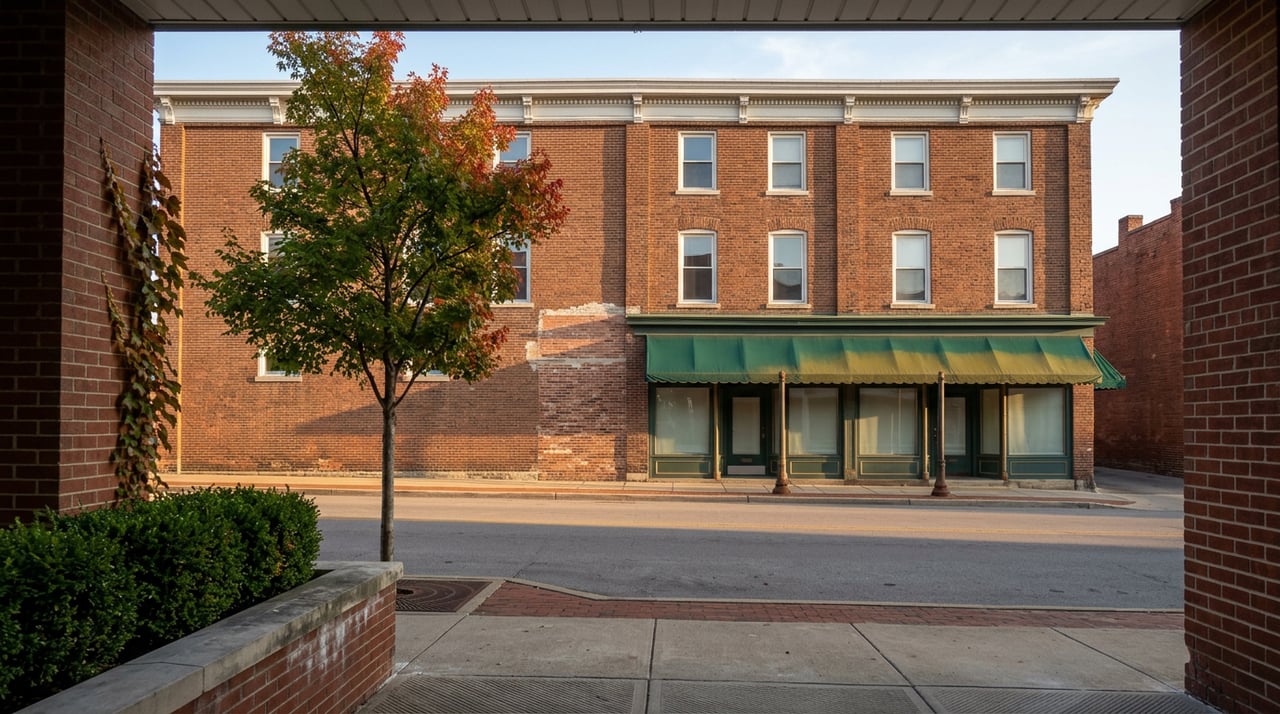
Norman has a broad range of housing stock, and many homes are not brand new. According to city planning materials, the median year built is 1987, about 22% of homes were built before 1960, nearly 47% were built from 1980 to 2000, and about a third were built after 2000.
That mix gives buyers options, but it also means condition can vary widely from one property to the next. Older homes may offer charm, location, or value, but they can also raise more questions during the buying process.
VA says the appraisal checks value and basic condition requirements, often called minimum property requirements. A home inspection goes much further and helps you understand defects, maintenance issues, and future repair risk.
The VA buyer guide notes that common concerns can involve:
- Roof
- Foundation
- Floors
- Plumbing
- Electrical system
- HVAC
The guide also says a state-licensed home inspector should review major systems and structural components. On homes with age-related concerns or visible foundation questions, a structural engineer may also be worth considering.
The practical takeaway is simple: VA approval does not mean a home is turnkey. It means the property met the VA value and minimum-condition review, while the inspection helps you understand what ownership may really cost.
Think in terms of fit, not just price
Norman has a wide spread of home values depending on area, housing age, and property type. Zillow neighborhood value snapshots suggest lower value bands in areas such as Chesser Park, Cloverleaf, Atkinson Heights, and Rhapsody/Willow Wind, mid-range bands in areas such as Downtown, Parkview, Windsong, and Oakwood East, and higher values in Brandywine.
These figures are value bands, not live inventory counts, but they are still useful when you are trying to match your budget to the market. If your goal is to keep cash available for closing costs, moving, or repairs, some parts of Norman may fit that strategy better than others.
This is where a neighborhood-first approach helps. Instead of chasing the highest approval amount, you can focus on homes that support your payment comfort, condition expectations, and daily routine.
Don’t forget post-closing tax deadlines
Once you close, there may be local tax steps worth taking. In Cleveland County, the homestead exemption reduces assessed valuation by $1,000, which the county says can save roughly $75 to $125 depending on the part of the county.
To qualify, the homeowner must live in the property on January 1, the deed must be executed on or before January 1 and filed by February 1, and the owner must be an Oklahoma resident. Additional homestead and senior valuation applications are accepted from January 1 through March 15.
Cleveland County also lists a 100% Disabled Veterans Exemption for qualifying veterans with the required permanent 100% disability certification. The paperwork is handled through the Cleveland County Assessor in Norman, so if you may qualify for a tax reduction, it is worth tracking those deadlines early.
A smart VA strategy for Norman buyers
If you want to use your VA benefit well in Norman, keep the process simple and disciplined. Confirm your eligibility, get your COE, compare lenders, set a budget that leaves room for real-life costs, and protect yourself with both the VA escape clause and an inspection contingency.
Then focus on homes that fit both your loan and the property’s likely condition. In a city where many homes were built decades ago and the market still moves at a steady pace, that kind of preparation can help you buy with more confidence and fewer surprises.
If you want local guidance on Norman neighborhoods, pricing, and how to build a VA-friendly home search, talk with Oak & Prairie Real Estate. Our broker-led team understands relocation timelines, military moves, and the details that matter when you want a home that fits both your budget and your life.
FAQs
What is the first step for using a VA loan in Norman?
- Start by confirming your eligibility and getting your Certificate of Eligibility before you shop for homes.
What costs should VA buyers in Norman budget for?
- You should budget for the funding fee if it applies, home inspection costs, closing costs, moving expenses, and possible early repairs or maintenance.
What does a VA appraisal check on a Norman home?
- A VA appraisal reviews the home’s value and basic condition requirements, but it does not replace a separate home inspection.
Why is a home inspection important for older Norman homes?
- Norman has many older homes, so an inspection can help uncover issues with the roof, foundation, plumbing, electrical system, HVAC, and other major components.
What happens if a VA appraisal comes in low in Norman?
- You may be able to request a Reconsideration of Value, renegotiate the price with the seller, or pay the difference at closing.
Are Norman homes still competitive for VA buyers?
- Yes, Norman remains an active market, so getting pre-approved early and being ready to act on the right home can make a big difference.
Can VA buyers in Cleveland County apply for local property tax exemptions?
- Yes, eligible homeowners may qualify for the homestead exemption, and some qualifying veterans may also qualify for the 100% Disabled Veterans Exemption through the Cleveland County Assessor.