If you want a part of Moore that feels established, practical, and connected to everyday amenities, central Moore deserves a closer look. This area is not trying to be a dense urban district, and that is exactly why many buyers find it appealing. You get an older, lived-in part of the city with parks, schools, services, and easy access to the wider south-metro corridor. Let’s take a closer look at what life in central Moore is really like.
Where central Moore sits
Central Moore is best understood as the established core around Old Town, east of I-35 and centered on Main Street and Broadway Avenue. According to city planning materials, this area functions as part of the broader Moore and south-metro pattern, with Oklahoma City bordering Moore to the north, east, and west and Norman to the south.
That location gives central Moore a connected feel rather than an isolated one. You are in a long-established part of town where Main and Broadway still shape the local rhythm, and where redevelopment is more of a focus than large stretches of vacant land.
Neighborhood feel in central Moore
If you picture central Moore as a walkable downtown full of apartments and storefront lofts, that would miss the mark. City planning documents describe Old Town and nearby central areas as a traditional grid with a mix led largely by single-family residential and commercial uses.
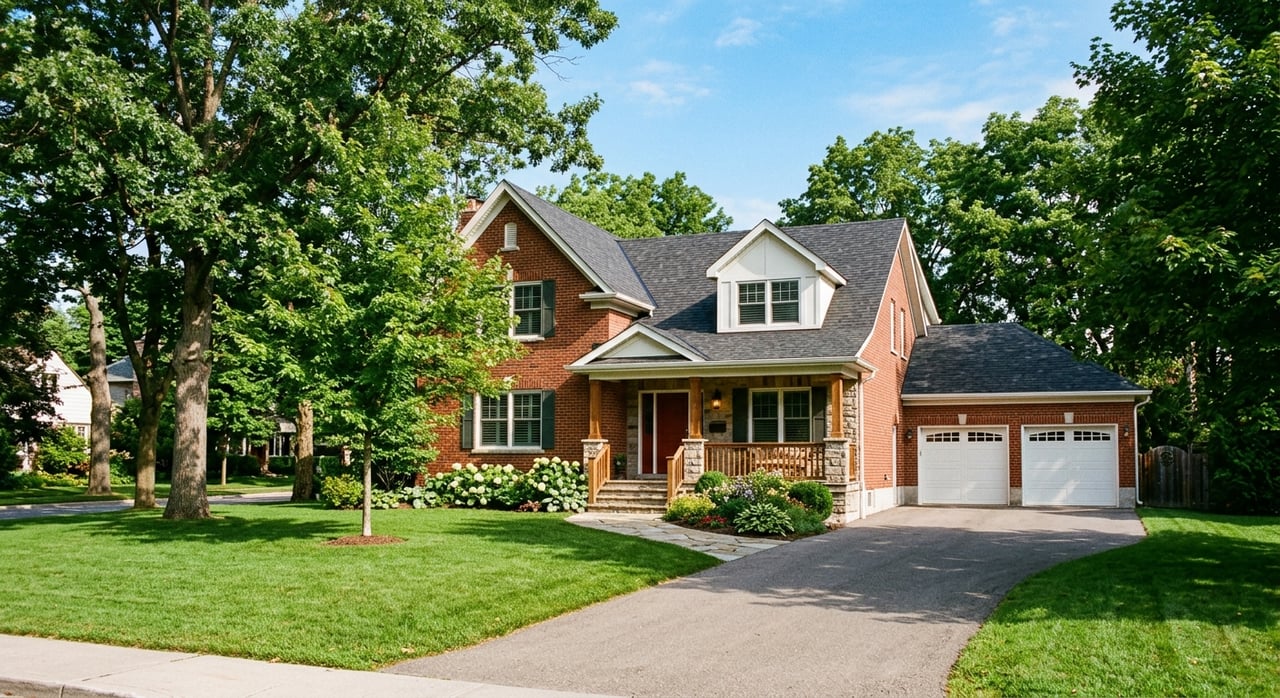
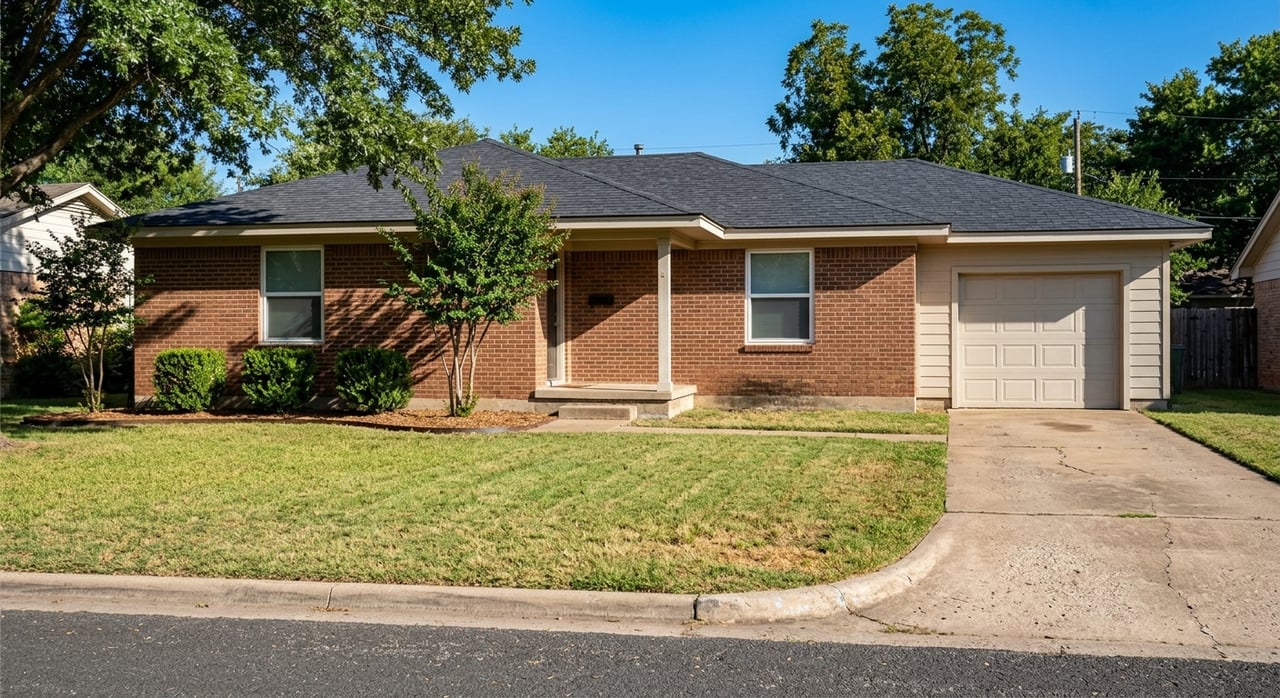
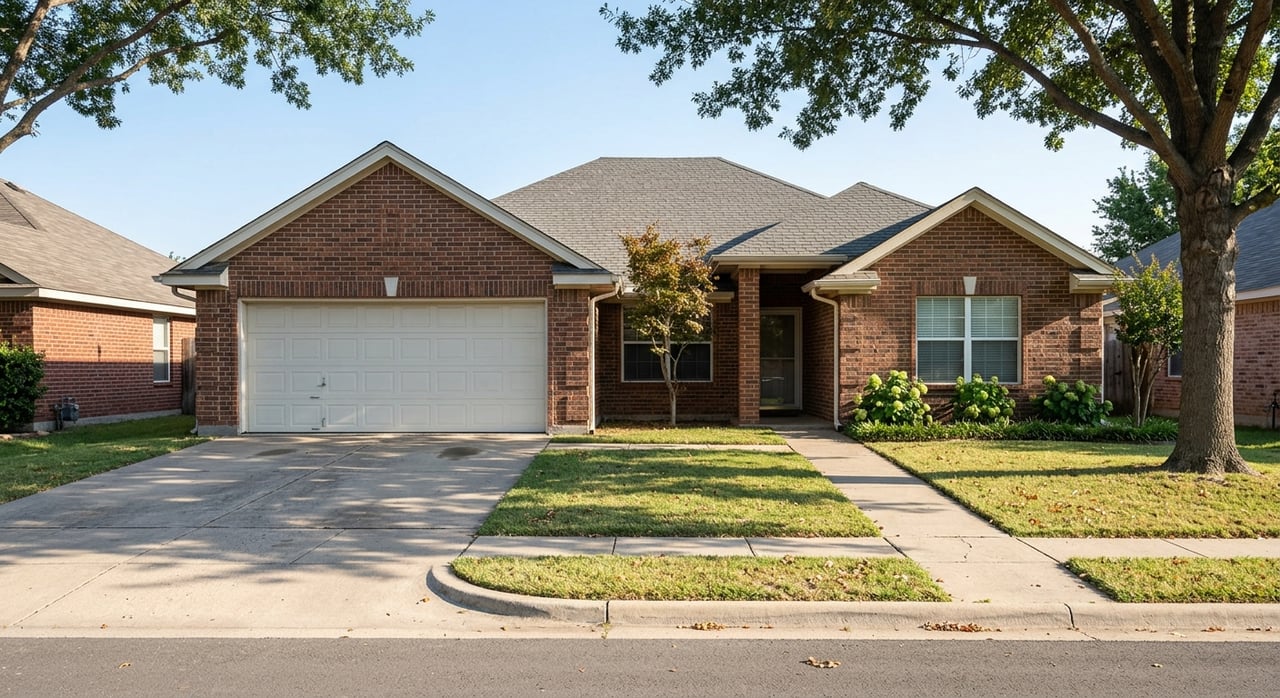
In day-to-day terms, central Moore tends to feel like an established suburban core. You are more likely to see older detached homes, infill lots, and neighborhood streets with a long-time local feel than a dense apartment-centered district.
The broader city also supports that impression. Moore has about 63,845 residents, and Census estimates show that 67.9% of housing units are owner-occupied, with an average household size of 2.67 and a median household income of $80,420.
Those numbers suggest a market with a steady resident base. In central Moore specifically, the Old Town plan notes about 320 housing units on 212.32 acres and residential vacancy under 5%, which points to a lived-in area rather than one with frequent turnover.
Housing in the area
For many buyers, central Moore stands out because it offers an older-core housing profile. City materials note older housing stock east of Old Town and in west-central Moore, and the city also states that the great majority of Moore’s housing stock is single-family homes.
That matters if you want a neighborhood where homes often have established lots and a more mature setting. It can also appeal to buyers who want practical entry points into homeownership or who are open to homes with character and potential updates over time.
Across Moore, the median value of owner-occupied homes is $189,300, and median gross rent is $1,276, according to Census estimates. While every block and property is different, those citywide figures help frame central Moore as part of a market that is generally more rooted in ownership than in high-density rental living.
Parks shape everyday life
One of the biggest quality-of-life advantages in Moore is the park system. The city maintains more than 300 acres of park land across 13 parks, and 10 of those parks include walking paths.
That matters in a practical way. It means outdoor space is not an occasional perk. It is part of how many residents spend a normal week.
Central Park amenities
Central Park is a major draw in this part of Moore. The city describes it as a 51-acre park with an all-inclusive playground, amphitheater, and lake.
For buyers thinking about daily life, this adds more than scenery. It gives you a place for walks, casual outdoor time, and community events without needing to leave town.
Buck Thomas Park options
Buck Thomas Park adds another layer of recreation nearby. At 128 acres, it includes a dog park, skate park, tennis court, volleyball court, and a 1.3-mile walking trail.
That variety helps make central Moore feel active without feeling hectic. Whether you want space to exercise, spend time outside, or enjoy a few local amenities close to home, the city has built a strong park foundation.
The Station and weekly routines
The Station at Central Park gives the area year-round recreational value. The city says it includes a fitness area, basketball courts, an indoor walking track, community meeting rooms, and a seasonal aquatic center with a lazy river, slides, a diving well, a lap pool, and splash features.
Central Moore also gets a regular neighborhood rhythm from local events. The city highlights the Moore Farm Market at Central Park Pavilion on Saturday mornings during the warmer months, which gives residents a recurring local routine that can make the area feel more connected.
Schools and local services nearby
Central Moore also benefits from being service-rich. Moore Public Schools serves more than 23,500 students at 35 school sites, and central campuses such as Central Elementary and Central Junior High are located around the Broadway and Main core east of I-35.
For day-to-day convenience, the Moore Public Library is located at 225 S Howard. The Brand Senior Center also provides meals, activities, and local transportation for seniors within city limits.
Taken together, those services make central Moore feel practical for many stages of life. Even when you are not heading into Oklahoma City or Norman, you still have important community resources close to home.
Errands and shopping are corridor-based
Central Moore is convenient, but it is important to set the right expectation. This is not a compact shopping district where most errands happen on foot within a few blocks.
City transportation materials point to places like Main & Broadway and the Shops at Moore along the I-35 Service Road as important stops. That supports the idea that shopping and services are organized around key corridors rather than a fully walkable downtown retail core.
For many residents, that works just fine. You still have access to what you need, but your routine will likely involve short drives rather than fully pedestrian daily errands.
Commuting from central Moore
For most people living in central Moore, driving is the default. The city’s transit study reports that 81.5% of Moore workers drive alone, 7.6% carpool, 7.1% work from home, and 0.0% use public transportation.
The Census Bureau reports a mean travel time to work of 23.6 minutes. That can be helpful if you are trying to picture what a normal weekday may look like.
Access to Oklahoma City and Norman
Because Moore sits between Oklahoma City and Norman, central Moore can work well for people whose routines move north or south along the corridor. City planning materials identify I-35 and SW 19th Street as major travel routes, which helps explain why the area is often appealing to commuters who want access in both directions.
This connected location is one reason central Moore often appeals to relocating households. You are not choosing an isolated suburb. You are choosing a practical base in the middle of a larger metro pattern.
Transit is limited
It is also worth being honest about transit. The city’s public transportation resources focus on specialized options such as the senior ride program through the Brand Senior Center, SoonerRide for medical appointments, and Share-A-Fare discounts for seniors and people with disabilities.
The city has studied expanded service, but broad fixed-route transit is still limited. If you are considering central Moore, it makes sense to assume a car-first lifestyle.
Weather readiness is part of life
In Moore, storm planning is part of everyday reality. The city says few homes have basements and only about 10% or less have below-ground storm shelters.
That does not mean central Moore is unusual within the local context, but it does mean preparedness matters. If you are buying in the area, storm shelter options and emergency planning should be part of your home search and move-in checklist.
Who central Moore fits best
Central Moore tends to fit buyers who want an established neighborhood setting with practical amenities and a straightforward routine. It may be a strong match if you value single-family homes, parks, nearby schools and services, and easy access to the larger Moore, Norman, and Oklahoma City corridor.
It may be less ideal if you want an urban lifestyle with broad public transit, dense entertainment options, or a truly walkable downtown environment. Central Moore offers something different: a grounded, lived-in part of the city with stable housing patterns and useful daily infrastructure.
If you are trying to decide whether central Moore fits your goals, the real question is less about trendiness and more about function. For many buyers, that balance of established homes, strong park access, local services, and regional connectivity is exactly the point.
If you want help sorting through central Moore homes, comparing blocks, or figuring out whether this part of town fits your commute and budget, Oak & Prairie Real Estate is here to help with practical, local guidance.
FAQs
What is central Moore like for daily living?
- Central Moore feels like an established suburban core with older single-family homes, nearby parks, community services, and a car-first daily routine.
What types of homes are common in central Moore?
- Central Moore is more likely to feature older detached homes and infill lots than dense apartment living, based on city planning materials.
Are there parks and recreation options in central Moore?
- Yes. Moore maintains more than 300 acres of park land, and central-area amenities include Central Park, Buck Thomas Park, and The Station at Central Park.
Is central Moore walkable for shopping and errands?
- Central Moore has useful services nearby, but most errands are still organized around Main, Broadway, and I-35 corridor destinations rather than a fully walkable downtown shopping district.
What is the commute like from central Moore?
- Most residents drive, and Moore’s reported mean travel time to work is 23.6 minutes, with many daily trips running toward Oklahoma City or Norman.
What should buyers know about storm preparedness in Moore?
- The city says few homes have basements and only about 10% or less have below-ground storm shelters, so storm planning is an important part of living in Moore.